Control the sun, keep the view.
Low-E coatings and tints reduce heat, glare and UV while keeping rooms bright, and the right choice depends on which way each wall faces.
- Coatings: Low-E in several types
- Goals: Heat, glare, UV
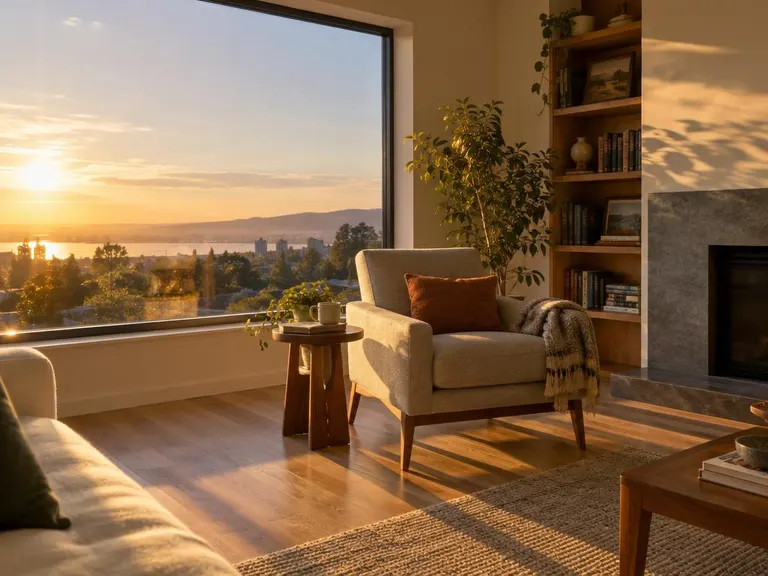
What it is, and why it matters.
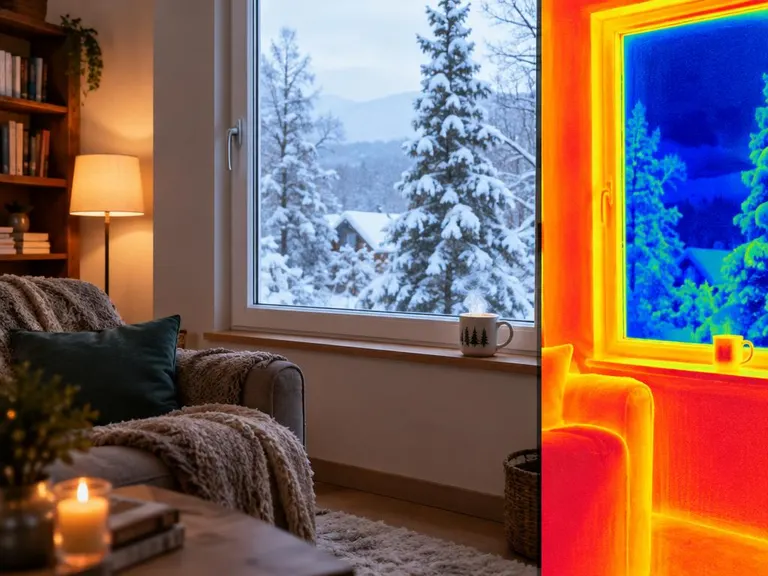
Low-E glass has a nearly invisible metallic coating that reflects heat. Different coatings favor different goals: blocking summer heat, keeping winter warmth, or cutting UV that fades floors. Tints add glare control.
We use our Sun Dial to look at each wall, then suggest coatings: low solar heat gain for west and south walls in hot climates, higher gain for cold-climate south walls. We show samples so you can see the color of the glass.
Four things done right.
Matched to each wall
Different sides of the house get different glass.
UV protection
Slows fading of floors and fabrics.
Bright but cooler
Keeps light, trims heat.
See samples
Look at the glass color first.
From first call to low-e and tinted glass.
- 1
Check each wall
Use the Sun Dial for directions.
- 2
Pick the coating
Heat, glare or UV priority.
- 3
View samples
See tint and clarity.
- 4
Install and label
Keep the label for your records.
Low-E and Tinted Glass in cities across the country.
We do this work for homes and businesses from coast to coast. Find your city to see the weather and housing we plan for.
Low-E and Tinted Glass: common questions
Will low-E glass make my room dark?
No. Modern coatings are nearly clear and let in plenty of light, though tints are darker.
Does low-E help in winter too?
Yes. Some coatings are designed to keep indoor heat in, and the right type depends on your climate.
How do I get an estimate for low-e and tinted glass?
Fill in the form or call or text 800-224-9245. A few details about the windows, or a photo, usually give us what we need, and we measure and send a written price.
Ready to talk about low-e and tinted glass?
A few details or a photo, and a written, itemized estimate.